Health & SAFETY
Informing and Advancing your Healthcare Organization and Injury Prevention Programs with Evidence
Health & SAFETY Research
The EurekaFacts Healthcare and Safety Research team brings the expertise and experience needed to support high reliability organizations in the healthcare sector and beyond. Our researchers are skilled in research methods, data collection, and analytics to reveal insights behind the numbers. Plus, with more than 20 years of experience studying perspectives of patients, providers and injury prevention across a wide range of audiences, our team is the right partner to support organizations and the developers of safe products.
We conduct surveys, assessments, usability and user experience testing, IDIs, and Focus groups using various methods to capture customer and stakeholder perspectives. By utilizing qualitative and quantitative techniques, we provide the information necessary to identify opportunities, engage customers, monitor progress, and reduce risk. Our dedication to thorough research ensures effective branding, messaging and a patient/customer journey that results in high satisfaction, and healthy and safe behaviors.
Research Expertise for Your Healthcare Organization
- Customer insights and the patient experience - HCAHPS and more
- Content Analysis and Development of Data Repositories - ML Training datasets
- Patient-provider communications and prescription guidelines
- Safety messaging and labels for OTC products and consumer products
- Product usage and safe/risky behaviors
- Usability of devices and apps
- Organizational climate and more specifically in patient safety culture - SOPS
- Safety conscious work environment
- Communications and branding
- Culturally-sensitive multilingual research
HCAHPS and SOPS are registered trademarks of the U.S. Department of Health and Human Services.

Multi-Method Research
View More >
CATI Telephone Data collection- Participant Recruitment for Qualitative Studies
Advanced Analytics
Let's Talk!
Representative Projects
Patient - Provider Communications
The objectives of this project were to improve the way healthcare providers deliver messaging to patients about the risks of alcohol use during pregnancy and to engage healthcare providers in the delivery of alcohol screening and brief intervention (SBI) for their patients, particularly women who are pregnant or might be pregnant. Comprehensive research on current perceptions, attitudes, beliefs, and cultural norms surrounding the SBI interaction—for both the clinician and the female patient—was conducted so that supporting materials could fully address cognitive facilitators and barriers. Methods included literature reviews, environmental scan, interviews and survey research.
Patient - Provider Communications
CATI and Multi-mode Surveys
EurekaFacts teams with a large health organization to conduct the telephone administration of the Hospital Assessment of Helathcare Providers and Systems (HCAHPS) on a national scale. Other patient experience studies include multiple mode surveys of health insurance beneficiaries.
Patient Satisfaction Surveys
Health Data Management
EurekaFacts managed and analyzed large datasets for the AGES-RS (Age, Gene/Environment Susceptibility-Reykjavik Study), a significant international research collaboration between the US and Iceland, conducted by the Laboratory of Epidemiology and Population Sciences (LEPS). Activity:
- Complex Data Review: Handled over 12,000 variables, numerous raw datasets, and more than a dozen data dictionaries from the OFFGENT8 study.
- Data Consolidation: Organized data by subjects including cognition, memory, motor skills, psychiatric tests, body function measurements, and various imaging techniques (MRI, CT, ultrasound).
- Data Mapping and Cleaning: Identified unique patient IDs, tagged duplicates, merged SAS datasets, and created derived variables to meet analytical needs.
- Documentation Enhancement: Converted PDF data dictionaries to Excel for better sorting and filtering, facilitating easier dataset and variable identification.
- Quality Assurance: Cross-checked datasets with documentation to identify gaps and mismatches, working with LEPS experts to resolve issues.
Health Data management
Health Data Sourcing & Evaluation
EurekaFacts conducted an environmental scan to identify, catalog, evaluate gaps, and assess the quality of data sources relevant to obtain access to relevant documentation, user’s guides, codebooks, data dictionaries, training materials, or other information on the use, data elements, source, or structure of the data. The task then included the development of a metadata abstraction and evaluation plan of the contents and quality of the data. Quality metrics and a decision rubric for recommendations for the use of data was developed in consultation with the CDC. EurekaFacts assigned data scientists, subject matter specialists, and engaged subject matter experts to complete the task. We used NLP techniques for keyword extraction and topic modeling to identify recurring themes and key variables across databases, helping us to standardize the data descriptions. We also used Text Classification to groups databases by type (e.g. All payer Claims databases, functional assessment data) and relevance to specific research questions.
Health Data Sourcing
Safe Medication Containers
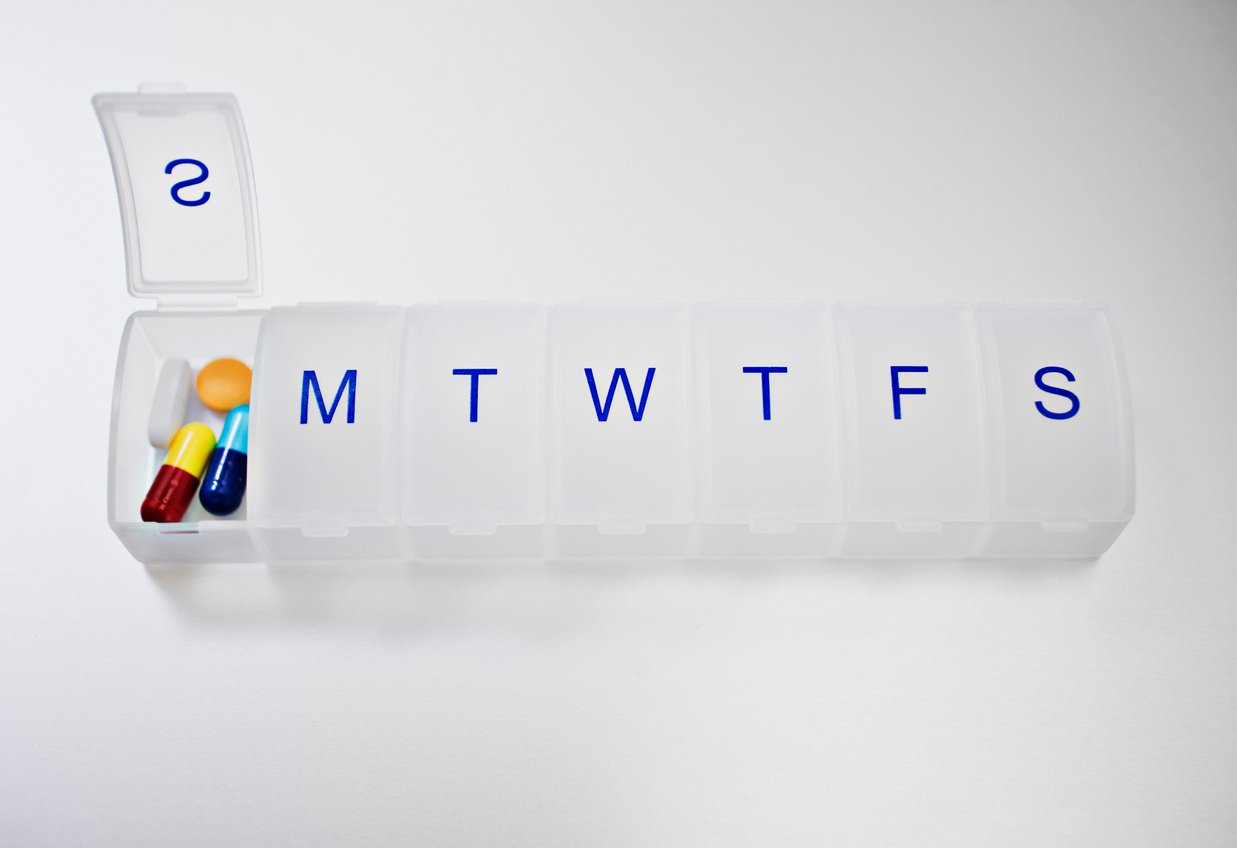
EurekaFacts worked with a marketing agency to support a safety messaging. The objective was to inform campaign messaging on safe use, conveyance, and storage of medications. Also, to gain insights into behaviors and uses of original versus alternative containers, including opinions and preferences for child resistant (CR) containers.
Studied messages from the perspectives of clarity and understanding, relevance and awareness, resonance and motivation to utilize safe practices in compliance with the packaging guidance.
EurekaFacts conducted focus groups in English and Spanish with caregivers testing messages regarding uses of alternative containers and child-resistant (CR) containers. Both prescription medication and OTC medication containers were included, as well as the intended users (children, parent, grandparent). Message testing also included A/B testing to explore alternative solutions.
Safe Medication Containers